
Advice & Tips
Plant It Safe
Paradise can be found in the garden. This is the reason we spend so much time in it. But among the hundreds of thousands of plants available there are several thousand poisonous plants. The toxins may be contained in the leaf, root, seed, flower or stem. The effects of the toxins may be realised through ingestion, contact with the sap or even just fumes given off by a plant.
Plants have developed poisonous components to protect themselves from animals. Some plants may be toxic to some animals and not to others.
In a lot of cases, the plant is attractive and quite desirable for a home gardener. An example of this is Oleander (Nerium oleander). This is a beautifully shaped, hardy shrub with pink, white or apricot colour flowers. It is very common as a garden or street plant throughout Australia but all parts of the plant are poisonous with the potential to kill. Sitting under it on a very hot day can lead to dizziness and nausea.
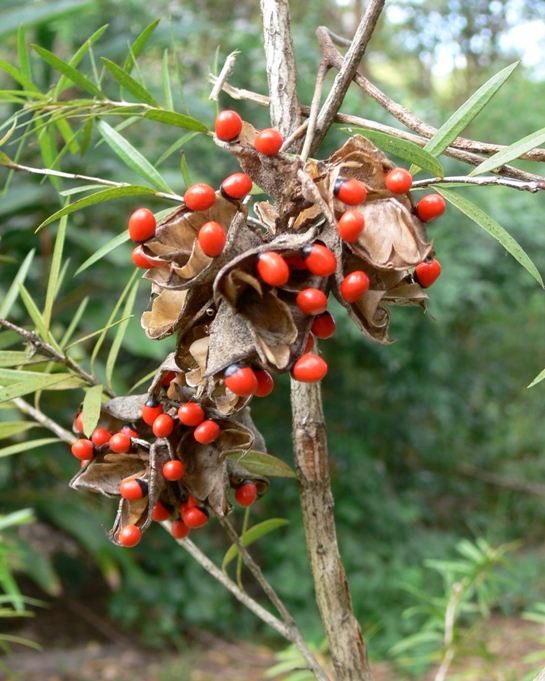
Yet in most situations, the risk associated with these plants is not particularly high. Many poisonous plants have a bad taste and one bite is enough to deter any adult or child from continuing to eat it. Others, such as the Gidee Gidee (Abrus precatorius) is extremely toxic but the seeds are very hard and would need to be crushed with a rock to pose a threat.
Babies and toddlers are the ones to watch out for in the garden. They have a tendency to put anything they can pick up into their mouths as part of their natural sensory development. It is very easy for them to digest enough of a poisonous plant to cause serious harm. If your garden is a refuge for infants, it is worth taking precautions to avoid them coming to any harm. Create a safe play area with no poisonous plants and if some of these plants are your prized ones, find a new home for them for a few years. Once a child is old enough to understand the dangers of eating unknown plants, you can re-introduce you treasures to the general garden.
For your own well being, it is worth while to take precautions. Wear protective gear while gardening to avoid some of the harmful effects of plants and especially avoid wiping your eyes or mouth after handling plants. Some plant sap can burn sensitive parts of the body.
Disposing of poisonous plant material can be as simple as composting it. Toxins in plants are bio-degradable. Avoid burning such material. Burning will release the toxins into the air posing a risk of respiratory problems and possible death.
Become familiar with poisonous plants in your garden or any garden you visit. Remove any potential threats from the area your children play. Fence off the poisonous plants to keep children safe while playing in the garden. Learn how to recognise poisoning and how to deal with it.
There is a wealth of information available through the internet, the local library and Queensland Health. In an emergency contact the poisons information hotline on 131 126.


About Tohm

Tohm currently heads the team at Amber Leaf Landscaping and is qualified in horticulture, design and construction. His blog is a great place to get some ideas for your landscape, learn about specific plants that thrive in your local environment and see what inspires Tohm as he gets out and about.