
Plant Directory
Daylily (Hemerocallis)
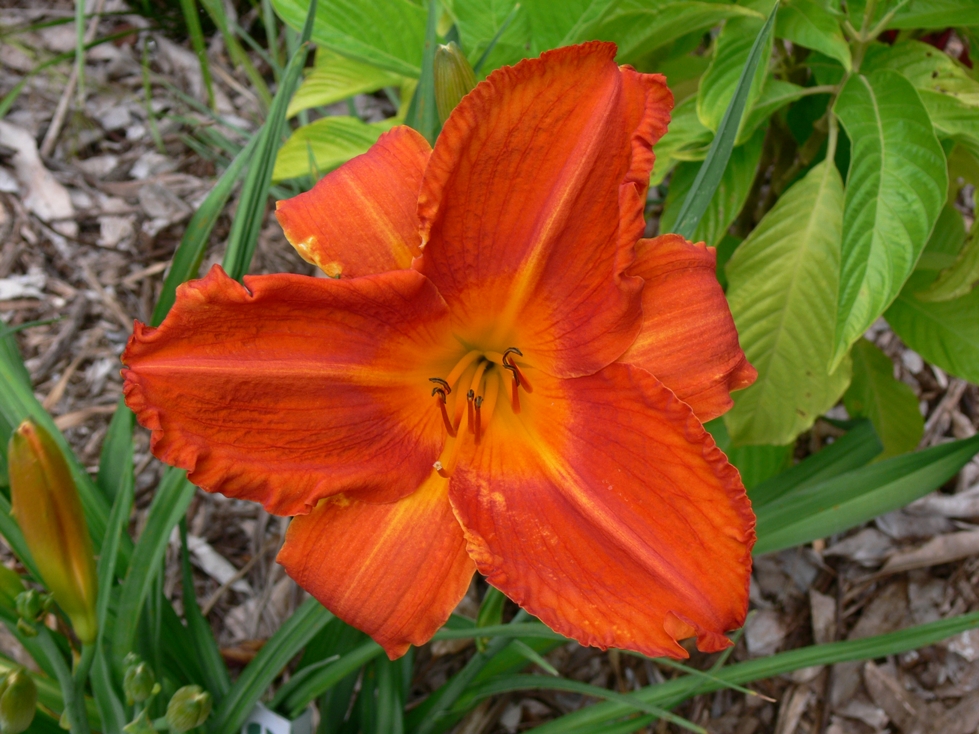
The Hemerocallis is a celebration of nature’s artistic ability (with a little help from humans.) More commonly known as daylily, its botanic name is derived from two Greek words meaning “day beauty”. And a beauty it is.
While there are many species of Hemerocallis native to areas of Asia, it is the hybridisation of the genus in America and England since the 1930’s that we are most likely to recognise and buy now. Hemerocallis can be cross pollinated readily to produce a wide range of hybrid offspring. There are well over 60,000 cultivars registered throughout the world. If you are planning to start a collection, you should buy a large block.
Daylilies are a clumping herbaceous perennial between 0.5m and 1m tall and produce an erect stem with multiple flower heads. Each of the magnificent blooms will last only one day but will be replaced the next day by another.
A new planting is by a potted plant or a root division known as a crown. The latter is the preferred method, making daylilies an ideal plant for mail order.
Place the crown at ground level in a hole freshly turned with compost, spread some organic fertiliser around and lightly cover with soil. If buried too deep, the crown will rot. They can be planted in spring, early summer or late autumn. Place in full sun as they do not flower in the shade.
Split the clump every 2-3 years to improve their vitality and the number of plants you have in the garden. Water only lightly on planting and not again until a few leaves are up. After this, they do like a good deep watering. While daylilies are a drought tolerant plant, a high spring rainfall will result in more prolific blooms.
They are suitable for a wide range of climatic and soil conditions. Very hot and wet conditions, such as those experienced in Darwin will rot the crown and very cold conditions will result in reduced vigour of the plant. Otherwise, varieties of daylilies can be grown throughout most of Australia.
Beware of aphids, snails, thrips and mites, all of which are more common in mass plantings. Daylilies scattered among mixed beds seem to suffer less from pests. The other pests to watch out for are the passer-bys who badger you for a root division from your prized daylily.
Pick up a couple and pop some of nature’s art in your garden.

About Tohm

Tohm currently heads the team at Amber Leaf Landscaping and is qualified in horticulture, design and construction. His blog is a great place to get some ideas for your landscape, learn about specific plants that thrive in your local environment and see what inspires Tohm as he gets out and about.