

Plant Directory
Indigo (Indigofera)
Apart from wearing your old ones while gardening, what do blue jeans and the plant genus Indigofera have in common? One species of this genus, Indigofera tinctoria was the most common source of indigo dye up to the end of the 19th century. Since then, synthetic dyes have dominated the market.
There are about 700 species of Indigofera found throughout the tropical and sub-tropical regions of the world, many of which are native to Australia. They come in a variety of shapes and sizes, from ground hugging perennials to small trees.
A characteristic of the Fabaceae family is their ability to fix nitrogen. This means that they convert nitrogen from the air into a form plants can use as a nutrient source. There are many Indigofera species used for this purpose in agriculture throughout the world.
Indigofera australis is found throughout most of Southern Australia and up the East coast to North Queensland. It is an attractive, open shrub to about 2m tall, often found in Eucalypt forests and areas of dappled shade. In the garden, it provides a soft backdrop to larger garden beds and a floral display throughout spring. Native Indigofera are a food source for many insects such as wasps and bees. The caterpillars of many native butterflies feed on the leaves.
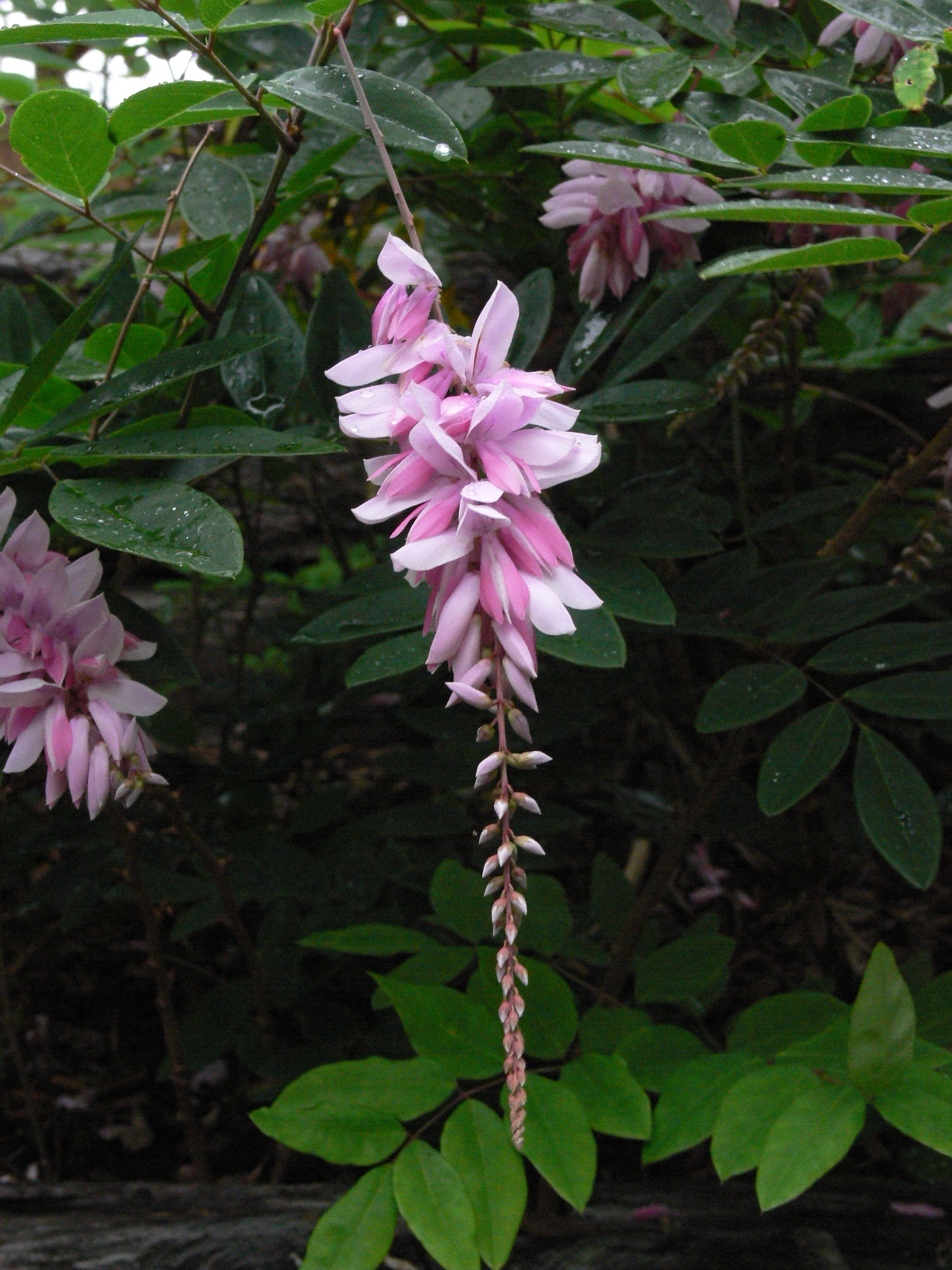
The most commonly cultivated species in the domestic garden is Indigofera decora or Summer Wisteria. This is a scrambling shrub to about 60 cm high. The plant spreads by vigorous suckers and will colonise bare patches between other shrubs. While some may consider this to be a problem, I find it a great way to fill in the gaps, especially in a young garden bed. As the main plants grow and block out the light, the Summer Wisteria will die off or be marginalised, where it will create the look of a soft ruffle around the garden bed.
The pink flowers which can appear, on and off, throughout summer never fail to attract comments from visitors. As the weather cools off, the leaves fall. The leafless stems are unsightly so cutting them back will tidy up the garden. This will not impede the future growth and flowering in any way.
Summer Wisteria is a hardy plant and is quite adaptable to most soils except very sandy soils. It loves a good dose of organic matter, so don’t hold back on the compost.
Summer Wisteria is not often sold in nurseries. A woody sucker from a friend’s garden would suffice to get this plant established in your garden. Look around for the white form. It is not so common but equally beautiful.

About Tohm

Tohm currently heads the team at Amber Leaf Landscaping and is qualified in horticulture, design and construction. His blog is a great place to get some ideas for your landscape, learn about specific plants that thrive in your local environment and see what inspires Tohm as he gets out and about.