
Plant Directory
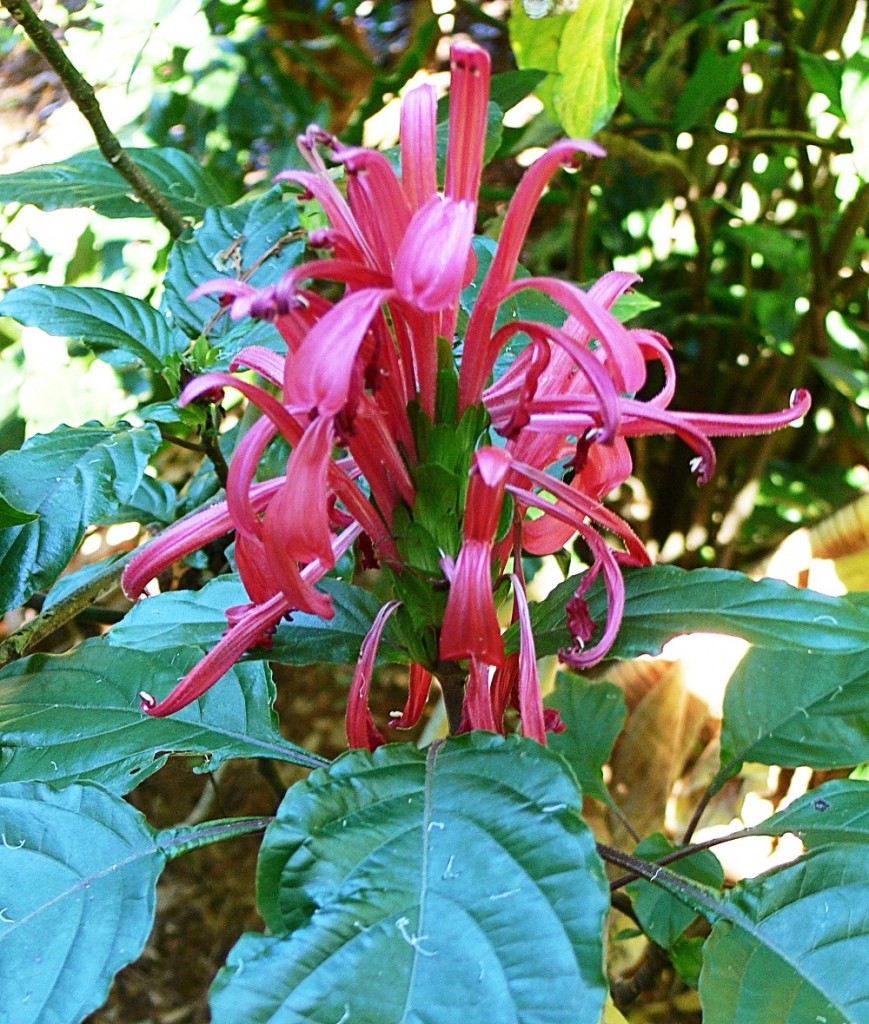
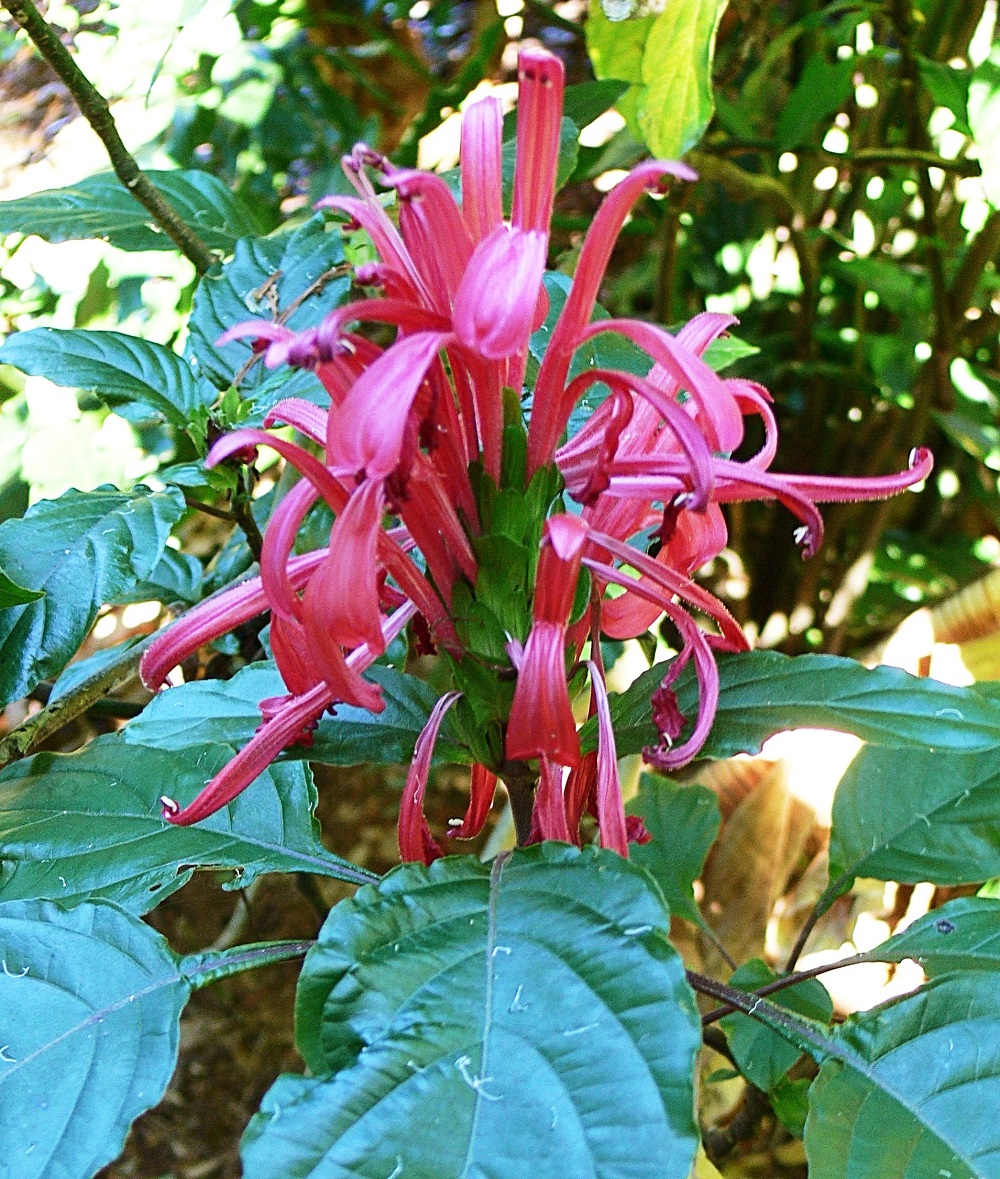
Shrimp Plant (Justicia)
These are plants which are well suited to a warm climate garden. They are showy, appearing as jewels in your garden crown. They flower over long periods and if several species are planted, can provide you with colour for much of the year.
The genus Justicia, named after Scottish horticulturalist, James Justice (1698-1763), is made up of 420 species of herbaceous perennials and shrubs. They mostly come from the warmer regions on North and South America. Until recently many of these plants were considered to be different genus’, but have now been brought together under the one heading. Contemporary references are likely to still refer to the old names. It’s enough to confuse any gardener.
The good news is that the most common and spectacular Justicia are relatively easy to propagate and grow. The Brazilian Plume (J. carnea) and the Shrimp plant (J. brandegeana) are two good examples of this.
Both flower from late winter through to early summer. While they like well drained soil, a regular supply of soil moisture is essential for most Justicia to prevent the plant from wilting in hot weather. You can ensure a steady supply by digging compost into the soil and mulching well. Planting on the lower side of a garden bed will also improve the water supply. Don’t allow them to sit in boggy or constantly wet soil or their roots will rot.
After flowering, cut back hard (300-500mm from ground). If you want more plants, you can strike the prunings fairly easily. Follow up the first pruning with a trim in early autumn to encourage a more bushy plant and therefore more flowers.
Justicia usually prefer bright filtered light with protection from the blasting afternoon summer sun and strong winds. They add colour to semi-shade areas and the edge of heavy canopies.
Justicia are not bothered by many pests. Chewing insects such as caterpillars, snails and slugs can make a mess of some leaves. The plants grow so fast that this is not a big problem and will not have much impact on flowering.

About Tohm

Tohm currently heads the team at Amber Leaf Landscaping and is qualified in horticulture, design and construction. His blog is a great place to get some ideas for your landscape, learn about specific plants that thrive in your local environment and see what inspires Tohm as he gets out and about.